
Agende agora mesmo!

High-stakes Leaderboards and Rankings for Aviator Game across Canada
We witness the Aviator game’s competitive landscape developing rapidly, with leaderboards turning into a central feature for passionate players. These ranking systems change the core gameplay from a solitary experience into a dynamic social competition. They deliver measurable goals, build community, and provide a structured path for players to measure their skills against a national audience, bringing a compelling layer of long-term engagement to the instant thrill of each round.
The Core Mechanics of Aviator Rankings
Rankings in Aviator typically function by monitoring and evaluating specific player measurements over specific timeframes. The standard scoring system is based on total profit generated from successful cash-outs during a leaderboard’s period. This implies that consistent, strategic play is better compensated than occasional fortunate victories. Systems often reset daily, weekly, or monthly, creating recurring competitive cycles that allow new players to get involved and leaders to maintain their standing.
We analyze these mechanics as a refined player retention tool. They encourage not just playing, but playing with a calculated strategy to increase gains. The open display of rankings adds a powerful social proof element, where a player’s position turns into a mark of prestige. This converts the in-game achievement from a private win into a widely recognized milestone, directly driving the competitive drive.
Varieties of Leaderboards in Aviator
We note several different leaderboard types within the Aviator ecosystem. The main type is the profit-based leaderboard, placing players by their total net winnings. Tournament leaderboards are also widespread, created for special events with special prize pools and particular rules. Furthermore, some platforms use “Friends” or “Club” leaderboards, which divide competition into smaller, more personal social circles, making top ranks more reachable.
Each type addresses a different player psychology. The main profit leaderboard draws the most competitive players looking for the ultimate recognition. Tournament boards offer time-limited, Aviator Plus 50 Free Spins, high-intensity competition with clear start and end points. Social leaderboards reduce the entry barrier, promoting camaraderie and friendly rivalry. This multi-layered approach ensures there is a competitive arena suitable for every player profile and commitment level.
Perks of Taking Part in Ranked Rankings
Interacting with leaderboards provides real benefits past standard gameplay. The most obvious is eligibility for prize pools, which often include cash rewards, bonus funds, or exclusive perks given to top finishers. This introduces a substantial value proposition, in effect creating a second, skill-based earning potential on top of the game’s primary betting mechanics.
On a psychological level, rankings provide structure and purpose. They turn abstract goals into concrete objectives, such as “reach the top 100 this week.” This framework boosts player retention and session length. The public acknowledgment of skill also fulfills a deep-seated need for status and recognition within a community, which we believe is a potent motivator for sustained engagement.
Tactics for Ascending the Aviator Leaderboards
Conquering a leaderboard needs a unique approach than casual play. We recommend a bankroll management strategy centered on consistency over pursuing massive, high-risk multipliers. Smaller, more frequent cash-outs can generate steady profit accumulation, which is the key metric for most rankings. Players must juggle the urge for a huge score with the disciplined need for a rising net profit graph.
Strategic timing is another essential factor. Starting a new leaderboard cycle early can offer a temporary ranking boost, but the final hours are often where the most intense competition happens. Observing the profit thresholds of top players provides you a target to aim for. Ultimately, climbing ranks is a marathon of disciplined decision-making, not a sprint driven by impulse.
Prize Pools and Incentives for Elite Players
The prize structures attached to leaderboards are a significant draw. They typically follow a tiered distribution, with the largest share going to the number one position, and reduced but yet valuable rewards given to those in the top 10, 50, or 100. This structure incentivizes a broader range of players to compete, as reaching a lower tier nevertheless yields a reward.
Rewards extend beyond pure cash. We see platforms offering tangible status symbols like exclusive badges, custom avatars, or “Champion” frames displayed in the game lobby. These non-monetary rewards hold substantial social weight within the community. Some operators also provide tournament tickets or special bonus offers with favorable conditions, additionally enhancing the value proposition for competitive players.
Community Impact of Public Rankings
Visible standings profoundly affect the game’s community. They establish common benchmarks and collective aims, promoting a sense of group engagement. High-ranking players often become informal community leaders, with their approaches and gameplay methods analyzed and emulated. This establishes a spontaneous order and narrative within the player base, which boosts social cohesion and engagement.
In contrast, clarity in rankings also cultivates trust. Confirmable, live rankings showcase the platform’s fairness and active player base. They spark natural discussion in community channels as players debate rankings, share tips to climb, and praise winners. This system of competition and acknowledgment is a effective instrument for organic community growth and member retention.
Fairness and Safety in Ranking Systems
Maintaining the soundness of leaderboards is paramount. We evaluate platforms for solid anti-collusion and fraud detection systems that stop leaderboard rigging. This includes monitoring for unusual betting patterns, multi-accounting, and automated play. Clear terms and conditions that explicitly define eligibility and disqualification rules are a baseline standard for any trustworthy competitive system.
Security also reaches to data processing. Player aliases on leaderboards should protect personal information. The algorithms calculating profit and ranking must be reliable and consistently applied to all participants. A protected and fair ranking system is the cornerstone upon which player trust is formed; without it, the competitive framework sacrifices all value and credibility.
Contrasting Aviator’s Features to Different Social Casino Games
When we contrast Aviator’s competitive elements with other social casino games, its real-time, round-based nature is prominent. Leaderboards update dynamically with each cash-out, offering instant feedback, unlike games where rankings are calculated at the end of a long session or tournament. This creates a remarkably fast-paced and transparent competitive environment that reflects the core game’s adrenaline.
The profit-based scoring is also distinctive. Many games rank by volume wagered or games played, which emphasizes activity over skill. Aviator’s focus on net profit inherently recognizes effective strategy and risk management. This matches the leaderboard’s goals more closely with skilled play, attracting a competitor who prioritizes decision-making prowess as much as luck.
The outlook for the competitive scene in Aviator
We expect leaderboard structures getting more sophisticated and tailored. Upcoming features may introduce matchmaking based on skill for tournament brackets, more diverse scoring metrics (like highest single multiplier obtained with a minimum bet), and integrated esports-style broadcasts of key tournament finals. The social layer will deepen, possibly with group leaderboards or clan wars.
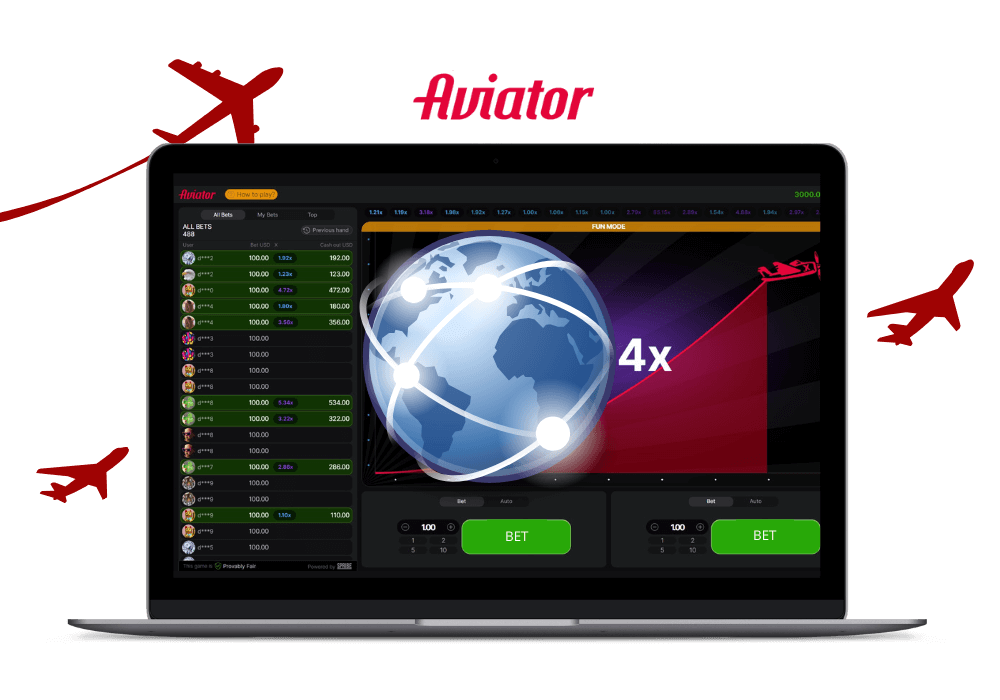
The integration of more in-depth statistics and user profiles is also coming. Picture being able to see a rival’s cash-out timeline or go-to multiplier range. This data transparency will further elevate the competitive landscape. As the community increases, we anticipate to witness higher prize pools, sponsored tournaments, and a more organized competition circuit, strengthening Aviator’s standing not just as a game of luck, but as a stage for expert competition.